









In-depth questions about work visas and business visas
You need to apply for a Non-Immigrant Visa 'B' (Non-B Visa for short). It is the only visa type that legally allows you to apply for a Work Permit in order to work lawfully in Thailand.
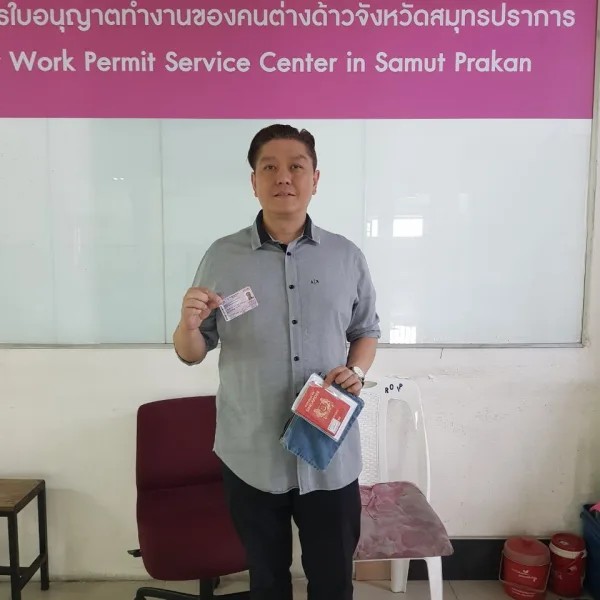
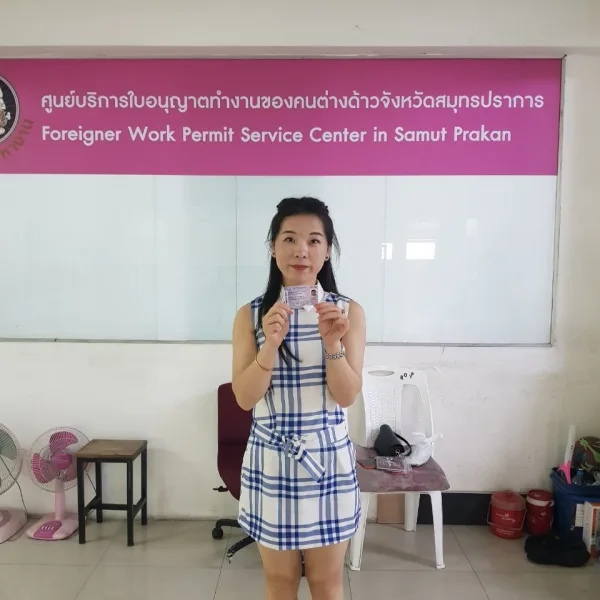
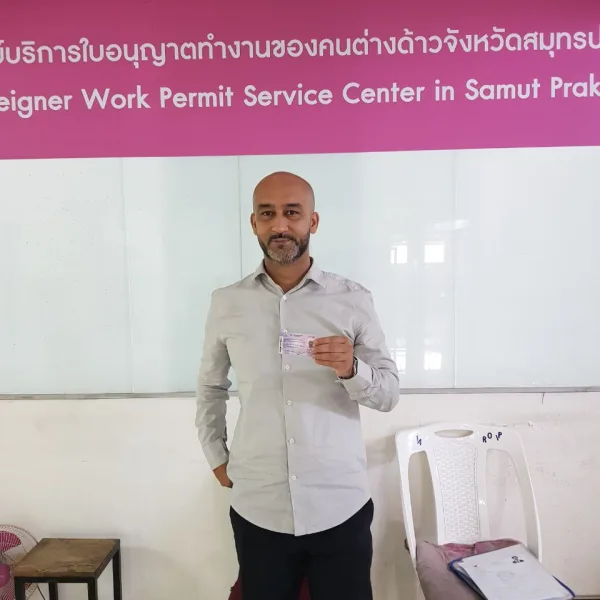
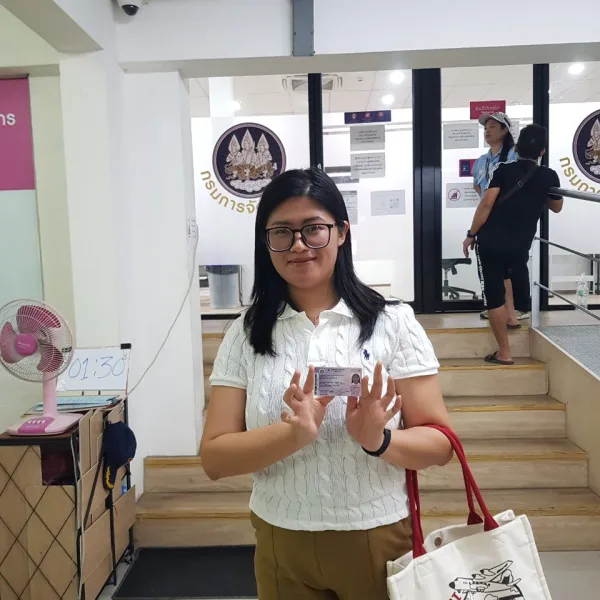
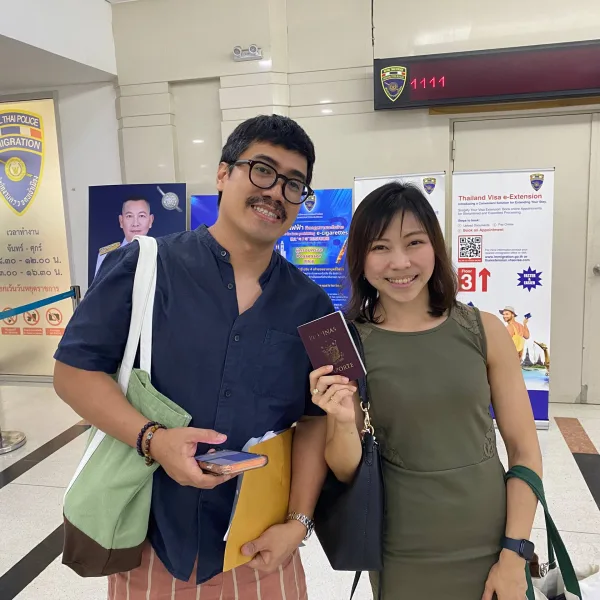
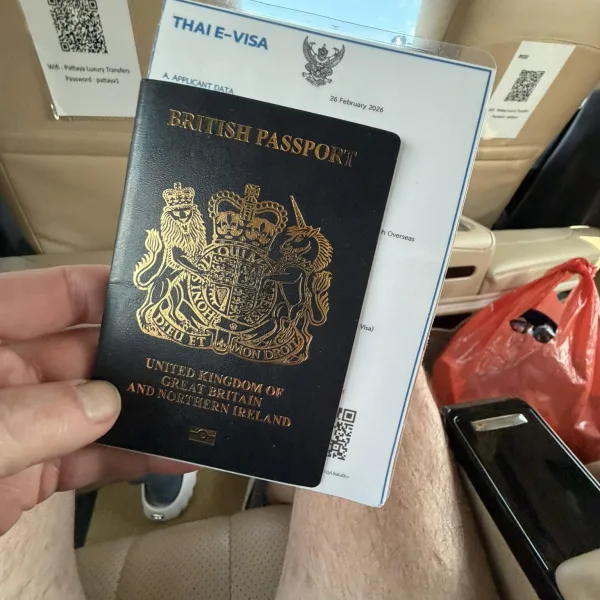
We provide a complete One-Stop Service: from analysing the employer's company structure, applying for the employment approval letter (BT.32) and completing the Thai E-Visa application for the foreign employee, through to accompanying you to get your annual visa stamped and obtaining your Work Permit in Thailand, so you never have to worry about paperwork.
Yes. If the Thai company has its documents in order and the foreigner has no less than 15 working days of permitted stay remaining, you can apply to change the visa type to Non-B in Thailand without leaving the country.
The end result is the same: an initial 90-day stay to work. The difference lies in the process. If you apply from abroad, you need the BT.32 letter and apply through the Royal Thai Embassy's online system (Thai E-Visa). If you change in Thailand, you must bring a large set of the company's accounting and tax documents for review at the immigration office in Thailand.
It must match 100%. The job title, duties and responsibilities, and the employer's company name on the Non-B visa application and in the Work Permit must not differ by even a single letter; otherwise the authorities will not approve it.
A newly established company can hire foreigners, but its documents will be scrutinised more strictly than usual. In general, the immigration office and the Department of Employment prefer to see a company that has closed its first year's financial statements and pays tax regularly. For an urgent case involving a new company, we recommend consulting ethaivisa so we can plan a tailored set of documents.
The company must have fully paid-up registered capital of at least 2,000,000 THB per foreign employee hired (to hire 2 people, the capital must be 4,000,000 THB). Companies promoted by the BOI are exempt from this requirement.
The Department of Employment counts from the 'list of Thai employees for whom the company has paid social security contributions (SPS.1-10) for the past 3 full months'. The Thai employees must be real, paying tax and social security correctly under the law, before they can be counted towards the quota supporting 1 foreigner. The immigration office, for its part, counts from the PND.1.
It is calculated separately according to each employee's nationality. For example, British or American nationals must start at 50,000 THB/month, Indian nationals 35,000 THB/month, and Filipino or Myanmar nationals 25,000 THB/month. This salary base must also match the company's PND.1 tax filing.
It is very important. If the company's revenue reaches the threshold, or if it wishes to hire foreigners, it should be VAT-registered (PP.20) and hold receipts for tax remitted.
You can apply for the annual extension (1 Year Extension) at the immigration office no more than 45 days before your current visa expires. We recommend applying early, in case the officers request additional accounting documents, so you can submit them in time.
This is a normal immigration procedure known as the Under Consideration period (awaiting the result for 21 days). The officers first stamp a temporary permission to stay, and use this time to review the financial statements and carry out random inspections of the company's office. Once the period is up, you return to have the actual full 1-year visa stamped.
Yes, you can work as normal. The under-consideration stamp is a permission to remain, and you may work lawfully in Thailand while awaiting final approval.
The key addition is the foreigner's own 'annual personal income tax return (PND.91)' for the past year, together with the receipt from the Revenue Department, to prove that the foreigner has genuinely been working and paying personal income tax to the Thai government.
The consequences are serious. If your visa lapses (Overstay), your permission to stay ends immediately. The foreigner must pay an Overstay fine of 500 THB per day, and may be blacklisted if the overstay reaches 90 days or more. The Work Permit itself is not considered expired, but you will have to restart the entire Non-B visa application process.
Not yet! The Non-B visa only opens the door for you to enter the country. A foreigner may start work only once the 'Work Permit' has been issued by the Department of Employment. Working with only a visa and no Work Permit is considered illegal work.
Before leaving Thailand, the foreigner must obtain a Re-entry Permit every time. This can be done at the immigration office or at the immigration counter at the airport before departure. If you forget the Re-entry Permit, the annual work visa you worked so hard for will be 'cancelled immediately' the moment you leave the country.
*Single Re-entry (1,000 THB): valid for only one exit and return, suitable for those who rarely travel. Multiple Re-entry (3,800 THB): unlimited exits and returns throughout the validity of the visa, suitable for executives or businesspeople who travel abroad frequently, for whom the Multiple option offers much better value and saves a great deal of time.
The Department of Employment has now replaced the paper blue booklet with a digital system via the 'Thailand Digital Work Permit' smartphone application.
Yes, within 24 hours. Under immigration law (Section 38), the property owner or the foreigner must file the TM.30 form (notification of residence of a foreigner) every time the foreigner moves to a new address. The immigration office will check this TM.30 document every time you extend your annual work visa.
With a well-planned timeline, you do not need to leave. You can process a 'Change of Employer' in Thailand, which requires coordinating so that the old company issues the visa cancellation letter on the same day the new company submits the employment documents to the immigration office. This is a delicate process, and we recommend having a specialist such as ethaivisa handle it for you.
The visa ends immediately on the last day of employment. The foreigner and HR must go to the immigration office to report the visa cancellation, and on that day, if you are not yet ready to leave, you can file a request for an extension of stay to prepare for departure (TM.7). The immigration office will then stamp a further 7 days' stay to allow you to settle your affairs.
Yes, everyone must. Foreigners staying in Thailand continuously for more than 90 days are required to report their residence to the immigration office every 90 days. Late reporting carries a fine of 2,000 THB. ethaivisa's service includes reminders and free online 90-Day Reporting for clients throughout the service period.
You must first contact your embassy in Thailand to have your new passport issued. Then take both the old and new passports to the immigration office to transfer the visa stamp (Transfer Stamp) into the new passport, after which you can travel or extend your visa as usual.
Because applying for and extending a Non-B visa involves complex document checks linking 3 parties: the foreigner, the company's tax accounts, and constantly updated immigration regulations. Even a tiny error, such as incomplete social security contributions or a mismatched job title, can lead to immediate refusal and disrupt your business. The ethaivisa team has more than 10 years of direct experience. We review documents in depth, 100%, and have the connections to resolve on-the-spot issues quickly, helping you obtain your work visa correctly, safely and in the least time possible.










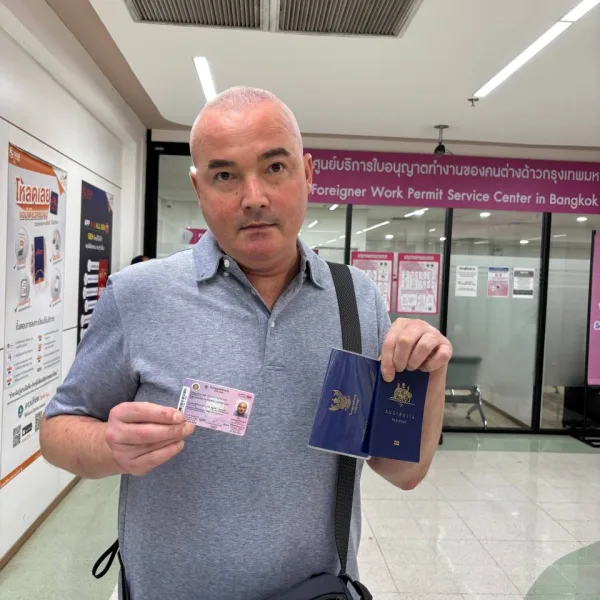

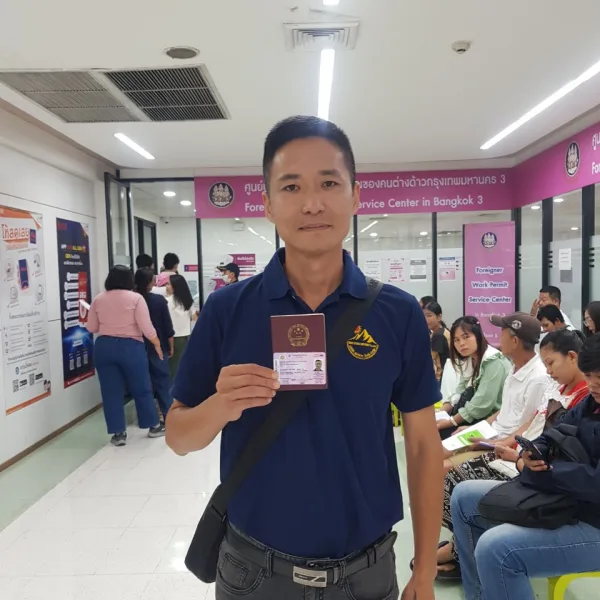
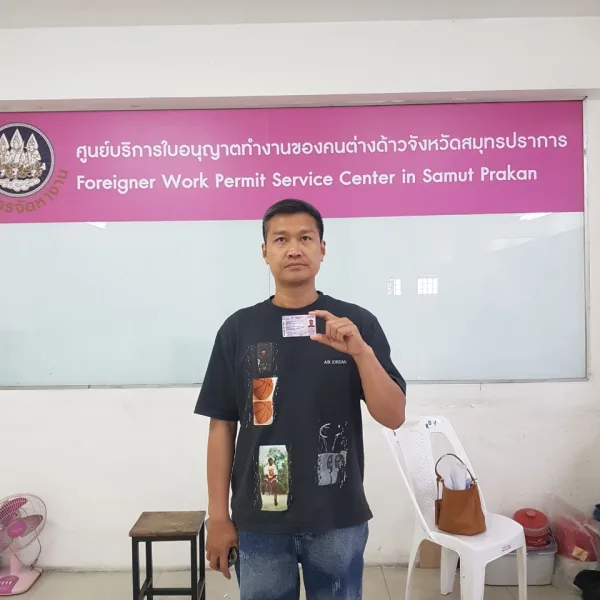
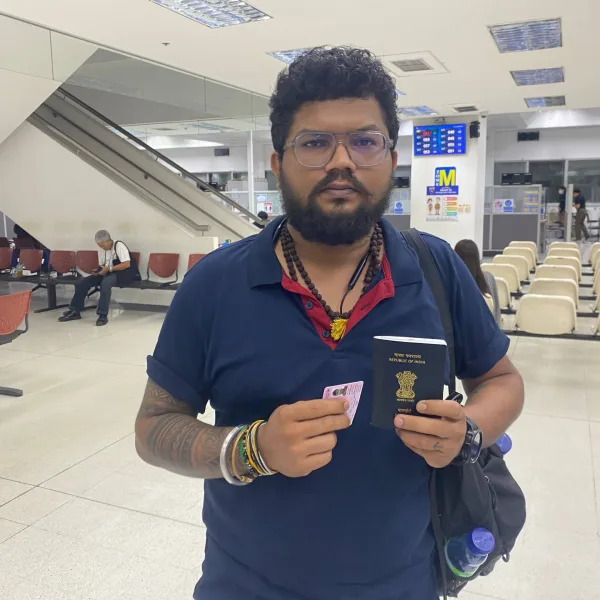











































































 A Properly Registered Company
 Expertise in Processing
 Systematic Management
 A Full-Service Solution